

Tickets Available

Unspoken Nepal March Session 2026

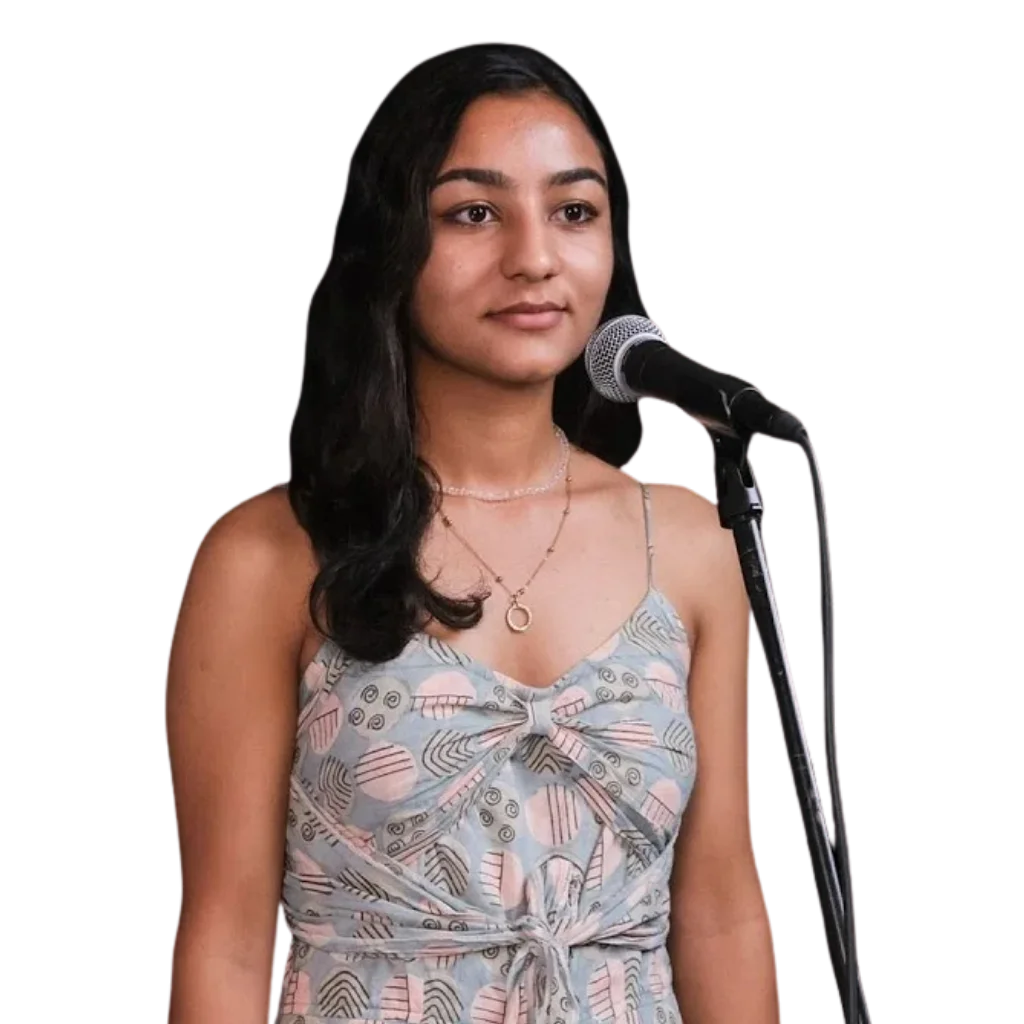
Bibika Kharel
Letter to My Daughter | Bibika Kharel | Unspoken Poetry | Nepali Poetry | E42
Summary
This poem is written as a loving, empowering letter from a parent to their daughter. It encourages her to trust her own feelings, never suppress her emotions just to please others, and reject pressure about how she should look, act, or live. The parent reassures her that she doesn’t need to be perfect, that things can be lost and replaced, and that true happiness comes from within—not from society’s rules or material expectations. The core message is one of deep support, self-acceptance, and strength to live authentically as an individual.
Premma Jaat | Bibika Kharel | Unspoken Poetry | Nepali Poetry | E31
Summary
The poem delves into the pain of love that has faded or been lost (“premma jaat” – love’s caste or fate). The speaker reflects on a once-close relationship now marked by abandonment, separation, and lingering sorrow. Through nostalgic memories of shared everyday moments and personal struggles, it conveys deep emotional longing, vulnerability, and unexpressed feelings. The tone is melancholic, highlighting the hurt of being left behind while still holding onto hope for reconnection. It explores how love can become a shield of emotions, the weight of loss, and the quiet ache of what remains unspoken in the aftermath of intimacy.
Wanting You Badly | Bibika Kharel | Unspoken Poetry | Nepali Poetry | E35
Summary
The poem vividly describes an intense, almost desperate craving for someone, using everyday, relatable metaphors to show how badly the speaker wants them—like an ambulance rushing to save a life, a gastritis patient needing black tea, or a cold person in Mustang seeking an extra blanket. It lists urgent needs from different lives (in-laws waiting for a baby, YouTubers chasing views, kids excited for slime) to convey this raw necessity. Despite no classic romantic signs (no flying birds or Bollywood drama), the desire brings unique happiness and fulfillment, proving true wanting is deep, essential, and joyful beyond idealization.